Best Time to Visit the Blue Lagoon, Comino (2026): Month, Day & Slot
When to visit Comino's Blue Lagoon: sea temperatures and crowds by month, the quietest hours, which booking slot to choose and how wind affects the crossing.
Blue Lagoon Comino is reader-supported. When you book through our GetYourGuide links we may earn a commission, at no extra cost to you.
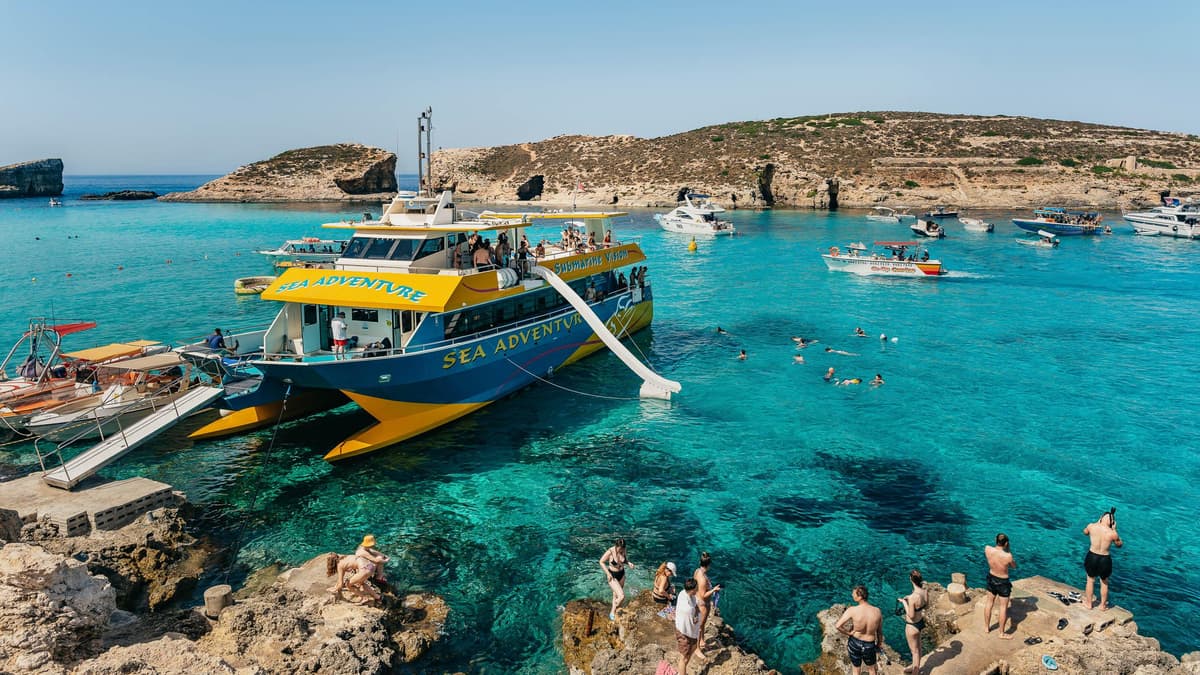
The best time to visit the Blue Lagoon is June or September to early October, on a weekday, arriving before 10:00. The sea is warm (around 22–25°C), boats run full schedules, and the lagoon is noticeably calmer than in July and August. If you can only go in peak summer, take the first boat and the 08:00–13:00 booking slot, or come back for the late-afternoon light when the day-cruise crowds have left.
For the whole day in one place, from the landing pass to the last boat back, see our Blue Lagoon Comino guide.
The Blue Lagoon’s appeal is simple: shallow, bright turquoise water over white sand. What makes or breaks a visit is everything around it — how many people share that small channel, whether the water is warm enough to stay in, and whether the wind has made the crossing rough. Here is how that changes through the year and through the day.
Month by month: weather, water and crowds
| Month | Max air temp | Sea temp | Crowds | Verdict |
|---|---|---|---|---|
| Jan–Mar | 15–16°C | 15–16°C | Very quiet | Walking and photos only; reduced boats |
| April | 19°C | 16°C | Quiet | Lovely for hiking Comino; swimming is bracing |
| May | 23°C | 18°C | Building | Good, if you don’t mind cool water |
| June | 26°C | 22°C | Busy at weekends | One of the best months |
| July | 30°C | 25°C | Peak | Go very early or late |
| August | 30°C | 26°C | Peak | Warmest water, biggest crowds |
| September | 27°C | 25°C | Busy, easing | One of the best months |
| October | 24°C | 24°C | Moderate | Great value; watch for windy days |
| Nov–Dec | 16–20°C | 18–21°C | Quiet | Calm days can still be swimmable |
Temperatures are long-term averages for Comino, rounded. Individual days can be several degrees warmer or cooler, and summer heatwaves regularly push air temperatures well above 30°C.
Peak summer (July and August)
This is when the lagoon is at its most crowded. Before the visitor cap, up to around 12,000 people were recorded there at once on summer peak days. Since 2025 a booking system has limited numbers to 4,000 per time slot, which helps, but the midday slot still feels busy: boats packed into the anchorage, loungers rented edge to edge, and queues at the kiosks. The water is at its warmest and the sea is usually flat, so if summer is your only option, it is still worth going — just plan the timing carefully.
Shoulder season (June, September, early October)
The sweet spot. Sea temperatures are in the low-to-mid 20s, every boat operator runs a full or nearly full schedule, and weekday crowds are manageable. September water is often warmer than June’s because the sea holds the summer heat. Early October can be excellent, though autumn brings the first spells of stronger wind, which can cancel or reroute boats.
Spring (April and May)
Comino is green, the wildflowers are out, and walking the island is a pleasure. The sea, at 16–18°C, is chilly for most swimmers, and some boat timetables are reduced. Good for photographers and hikers who want the colour of the lagoon without the crowds.
Winter (November to March)
Ferries run less often and can be suspended in rough weather. Kiosks and sunbed rentals are mostly closed. On a calm, sunny winter day the lagoon looks just as blue, and you may have it nearly to yourself, but bring everything you need.
The best time of day
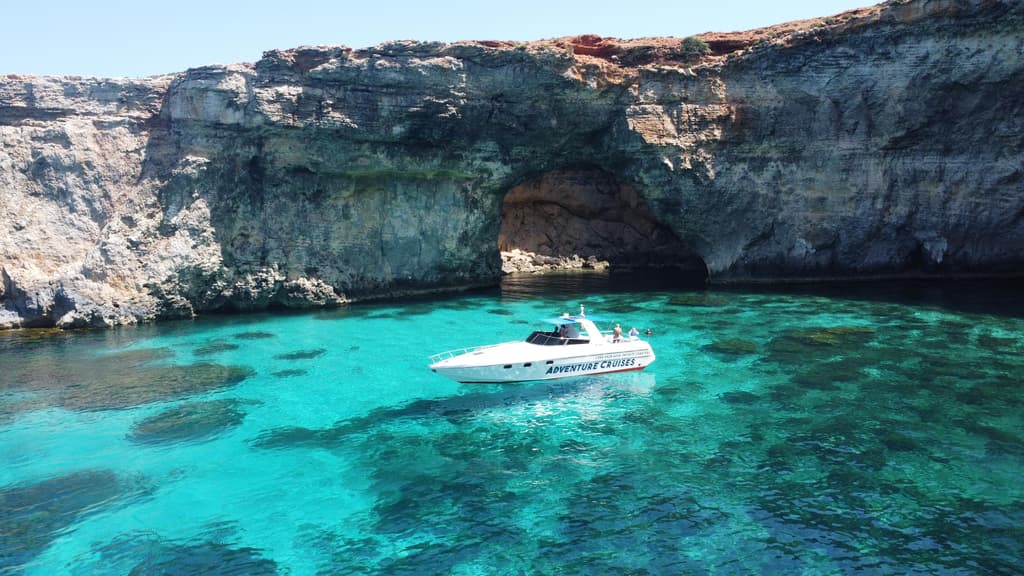
Time of day matters as much as the month. The big day cruises from Sliema and Buġibba tend to arrive between late morning and early afternoon, so the lagoon follows a predictable rhythm:
- 08:00–10:00: the calmest period. Early shuttle-ferry passengers have space, the water is glassy and the light is soft.
- 10:30–15:30: peak. Cruise boats anchor in the channel and the rocks fill up.
- 16:00–18:00: numbers fall as the cruises leave. Warm light, but watch the last scheduled ferry time.
- Evening (18:00–22:00 slot): quiet and atmospheric, but realistic mainly if you are on a private boat or a dedicated sunset tour, since scheduled shuttles stop in the late afternoon.
How the booking slots fit in
From 1 May 2025 visitors landing at the lagoon have needed a free booking, and the system was back in force for summer 2026. There are three daily slots — 08:00–13:00, 13:30–17:30 and 18:00–22:00 — each capped at 4,000 people. You receive a QR code, exchange it for a wristband on arrival, and stay within your slot. For the quietest visit, book the morning slot and catch an early shuttle from Ċirkewwa or Mġarr. Full details are in our booking rules explainer.
Morning or sunset: which light is better for photos?
For the classic bright turquoise, the sun needs to be fairly high and the water calm, which makes mid-morning (about 9:00–11:00) ideal: the colour is strong and the crowds haven’t fully arrived. Early morning gives softer, quieter scenes with glassy water, good for wide shots from the rocks above the lagoon. Late afternoon brings warm light on the cliffs of Cominotto and fewer boats in the frame, though the water looks a little deeper blue as the sun drops. Cloudy days flatten the colour noticeably, so if photos matter, keep an eye on the forecast and choose a clear day.
Weekdays vs weekends
Weekends in summer bring locals as well as visitors, especially on Saturdays and Sundays when Maltese families head out on their own boats. Weekdays are generally calmer and their booking slots fill later. Public holidays in summer (for example mid-August) are among the busiest days of the year.
Wind and sea conditions
The Blue Lagoon is sheltered between Comino and the islet of Cominotto, but the boat ride to it is not. Strong north-westerly winds, common in Malta, make the crossing choppy, can stop smaller boats and stir up the water so it looks less clear. Practical tips:
- Check a wind forecast the day before. Light winds (under about 15 knots) are ideal.
- If a tour is cancelled for weather, operators normally offer a new date or refund.
- Book tours with free cancellation where possible, so you can move your trip to a calmer day if the forecast turns windy.
- The day after a storm the water may be cloudy; give it a day to clear.
- From late summer, look out for jellyfish (mauve stingers). Check the waterline and ask locally before swimming.
Tours that suit different timings
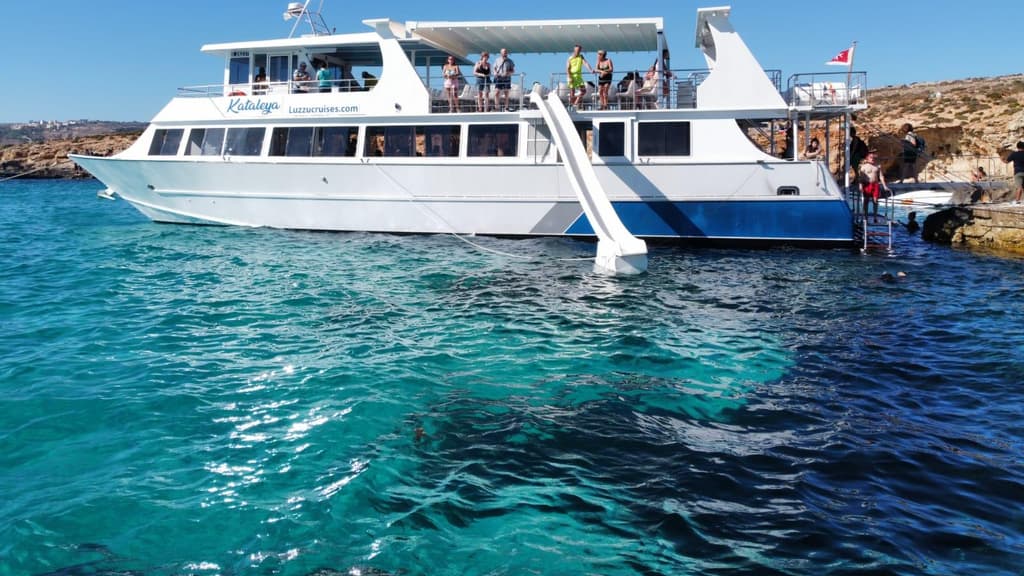
If you want the early, quiet window without arranging transport yourself, smaller boats are your best bet. If you prefer an easy full day and don’t mind company, the big cruises are good value. All prices are from GetYourGuide listings in October 2026.
- Early or half-day: Comino Speedboat Tour: Blue Lagoon, Crystal Lagoon & Caves from Buġibba, rated 4.9 from 103 reviews, from about $34.
- From Gozo, half-day: Blue & Crystal Lagoon, Gozo & Seacaves Half-day Cruise, rated 4.8 from 294 reviews, from about $30.
- Late afternoon and sunset: Sliema to Comino Speedboat: Blue Lagoon, Crystal Lagoon and Caves, rated 4.8 from 157 reviews, from about $45.
- Classic full day: Gozo, Comino and Blue Lagoon Cruise from Sliema, rated 4.4 from 6,123 reviews, from about $39.
- Your own schedule: Crystal/Blue Lagoon, Comino & Gozo Private Boat Trip, rated 4.9 from 391 reviews, from about $279 per group of up to 7.
For a side-by-side comparison of departure points, durations and what’s included, see our guide to the best Blue Lagoon tours.
Check a Comino cruise for your dates
Example boat trip, not the free landing pass. Confirm the departure harbour and selected option before booking.
Provider prices are in USD. Dates, participants and options affect the final amount. Check this cruise on GetYourGuide
A simple plan for a quiet visit
- Pick a weekday in June, September or early October.
- Book the 08:00–13:00 slot as soon as your date is fixed.
- Take an early shuttle from Ċirkewwa or Marfa (or Mġarr if you’re on Gozo). See how to get to the Blue Lagoon.
- Swim and photograph first, before 10:30.
- When the cruise boats arrive, walk 15 minutes to Santa Marija Bay or along the coast; our list of things to do on Comino has ideas.
- Head back before the last-boat rush.
Is it worth going in peak season anyway?
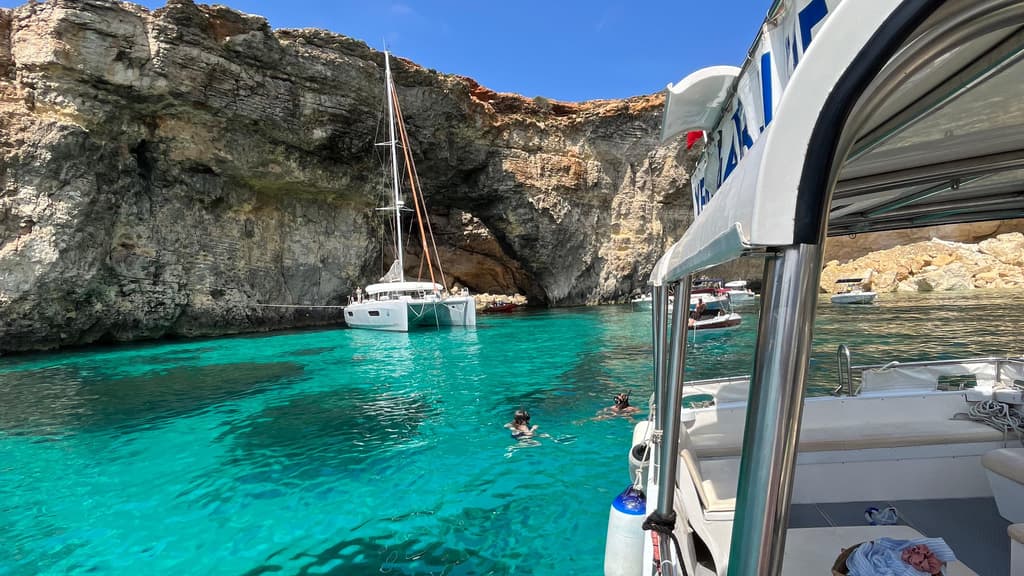
Yes, for most people. Summer is when the sea is warmest and most reliable, every boat operator is running, and the lagoon looks its most vivid under strong sun. The difference between a good and a bad summer visit is mostly timing: arriving at 8:30 and leaving at 12:30 feels completely different from arriving at noon. If your holiday falls in July or August, book your slot early, pick the morning, and treat the afternoon as time for Gozo, Mellieħa’s beaches or a siesta.
What to pack depends on the season
In summer, shade and water are the big issues: there are few trees near the lagoon and the limestone reflects heat. In spring and autumn, add a light layer for the boat ride back. Our Blue Lagoon packing list covers everything, and families should also read Blue Lagoon with kids.
See Blue Lagoon tours for your dates
Frequently asked questions
What is the best month to visit the Blue Lagoon in Malta?
June and September are the best all-round months: warm water (about 22–25°C), full boat schedules and fewer people than July and August. Early October is a good value alternative if the wind is calm.
What time should I arrive at the Blue Lagoon?
Aim to be there before 10:00. The large day cruises arrive from late morning, and the lagoon is busiest roughly between 10:30 and 15:30.
Can you swim at the Blue Lagoon in winter?
You can on calm, sunny days, but the sea is around 15–18°C between January and April. Boats run less often and most kiosks are closed, so bring food, water and a warm layer.
Is the Blue Lagoon worth visiting in October?
Usually yes. The sea is still around 24°C, crowds are smaller and tours are often cheaper. The main risk is wind, which can cancel boats or make the water choppy, so keep a flexible day.
Which booking slot is best?
The 08:00–13:00 slot is the best for a quiet swim if you can catch an early boat. The 13:30–17:30 slot suits most cruises. The evening slot works mainly for private or sunset boats.
Continue planning
Getting There & Access · 9 min read
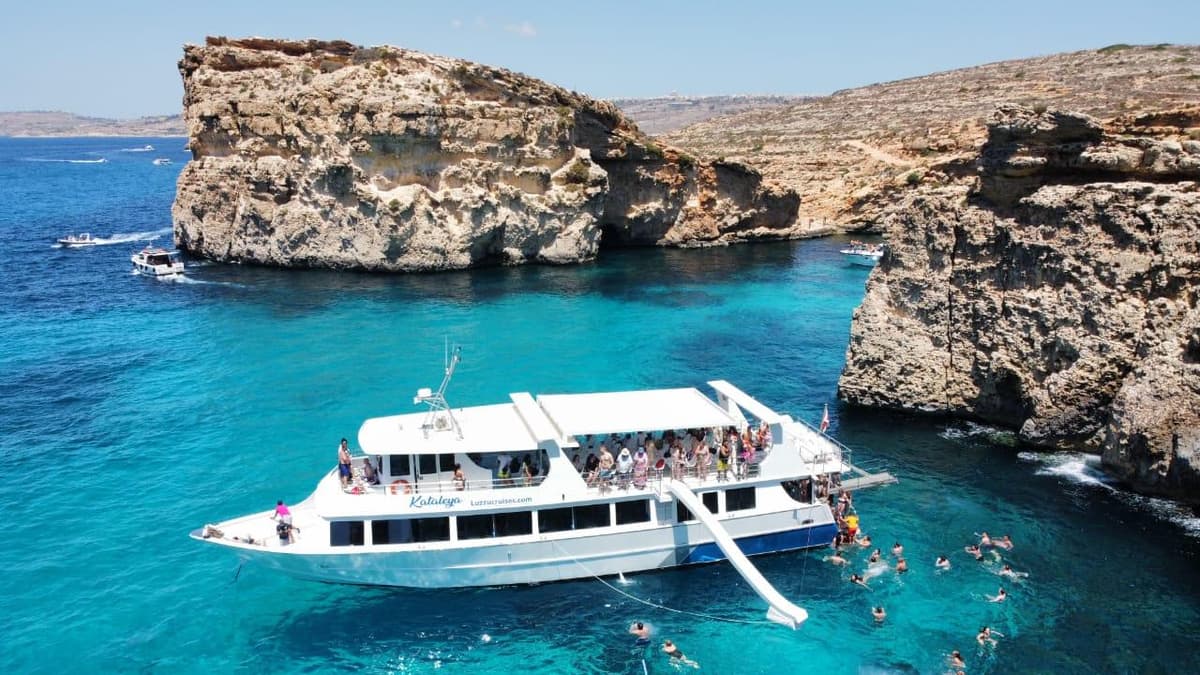
Blue Lagoon Pass 2026: How to Book Your Free Comino Time Slot
The Blue Lagoon landing pass is free: book it on the official site bluelagooncomino.mt (blcomino.com). Time slots, the 4,000 cap, tickets vs pass, fines.
Read the answers →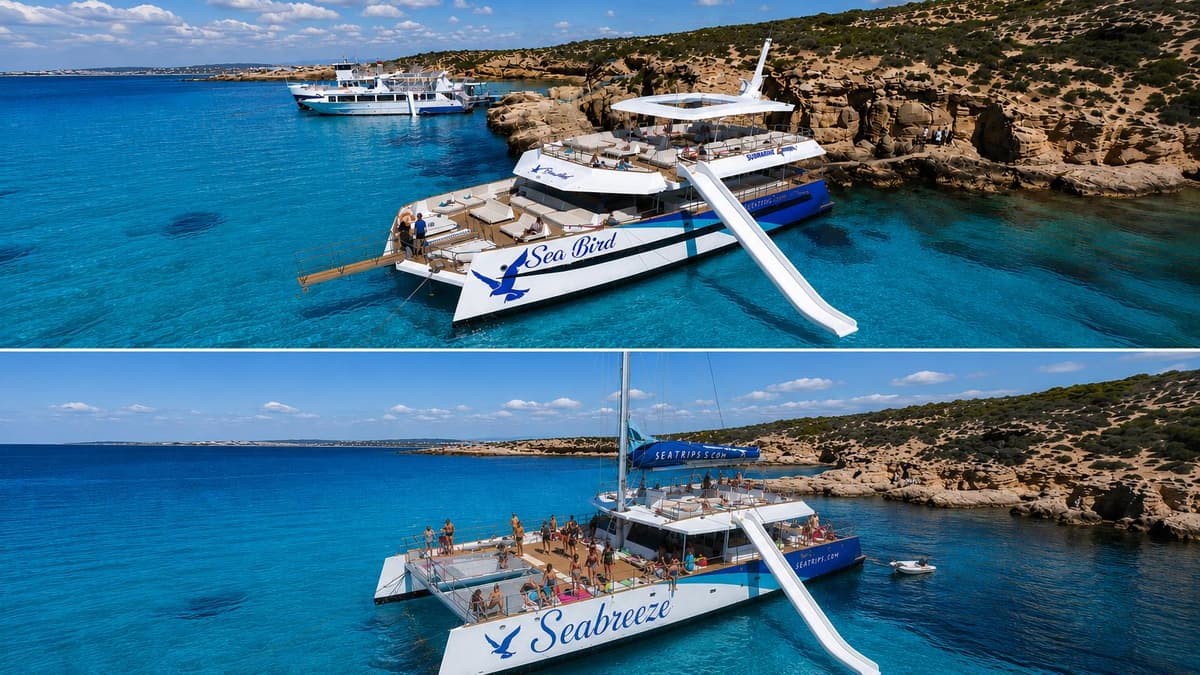
Explore Comino & Gozo · 7 min read
Things to Do in Comino (2026): Beyond the Blue Lagoon
The best things to do on Comino beyond the Blue Lagoon: Santa Marija Tower and Bay, the battery, Crystal Lagoon caves, snorkelling and an island walk.
Read the answers →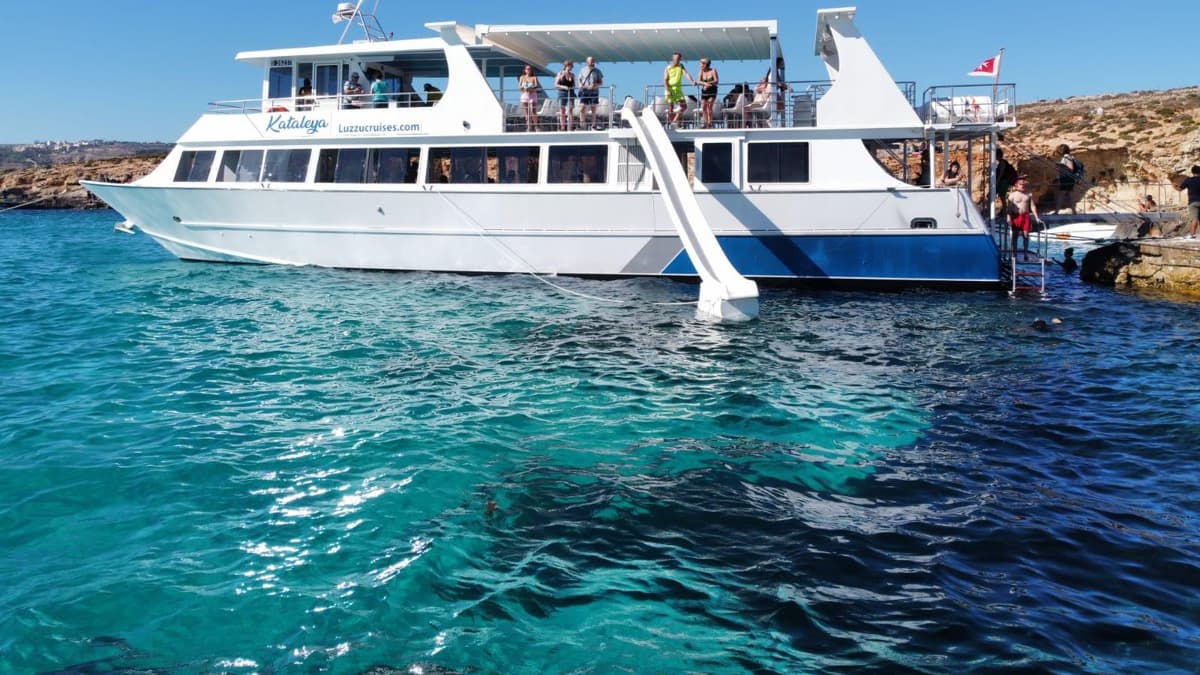
Plan Your Visit · 7 min read
What to Bring to the Blue Lagoon, Comino: Packing Checklist
The Blue Lagoon packing list: booking QR code, cash (no ATM on Comino), water, sun protection, water shoes, snorkel gear and what to leave at home.
Read the answers →